
Emergency & Disaster Readiness
Environmental public health is an essential component of disaster readiness. We partner with state, tribal, local, territorial, and national environmental public health organizations to identify needs and develop tools to assist you in preparing for and responding to natural and human-made emergencies, including the awareness, planning, response, and recovery periods of disaster management.
Concurrent Disaster & Recovery Resource Hubs
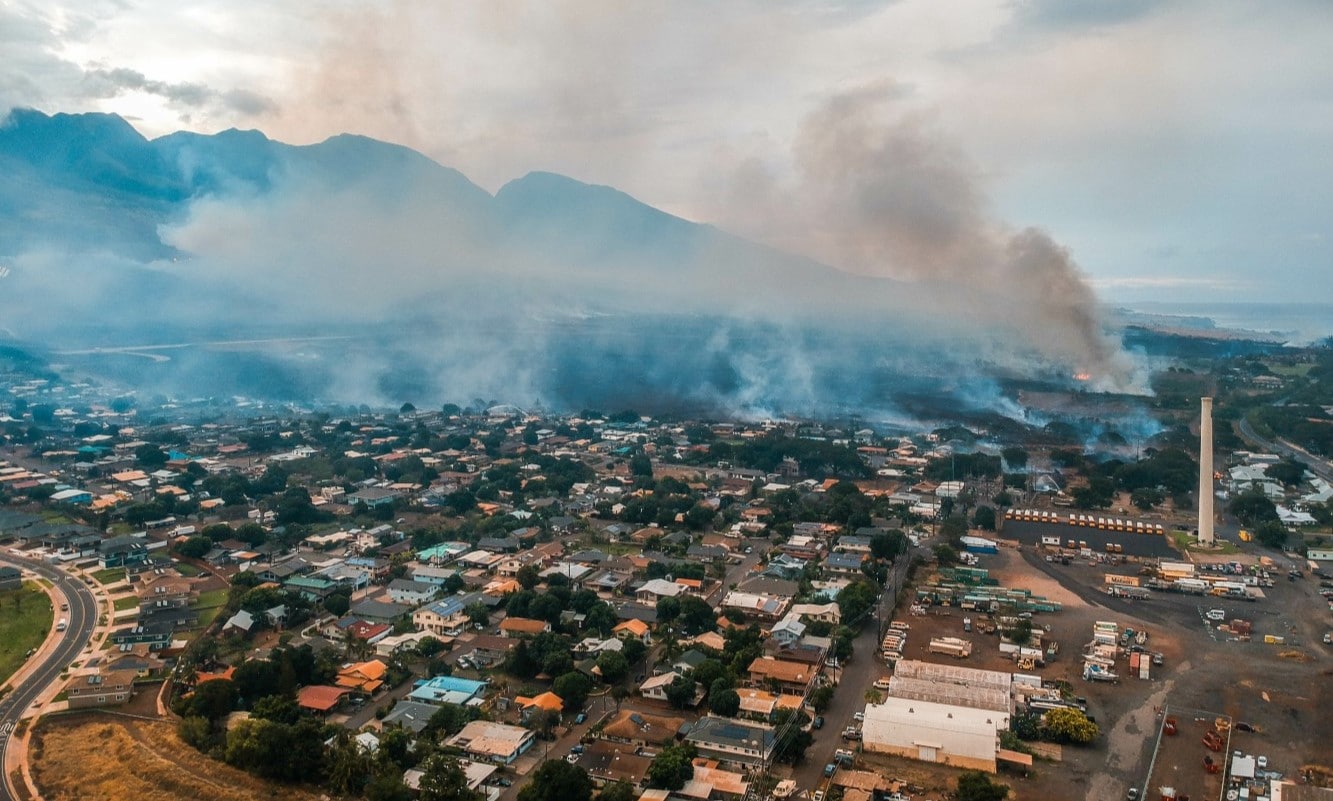
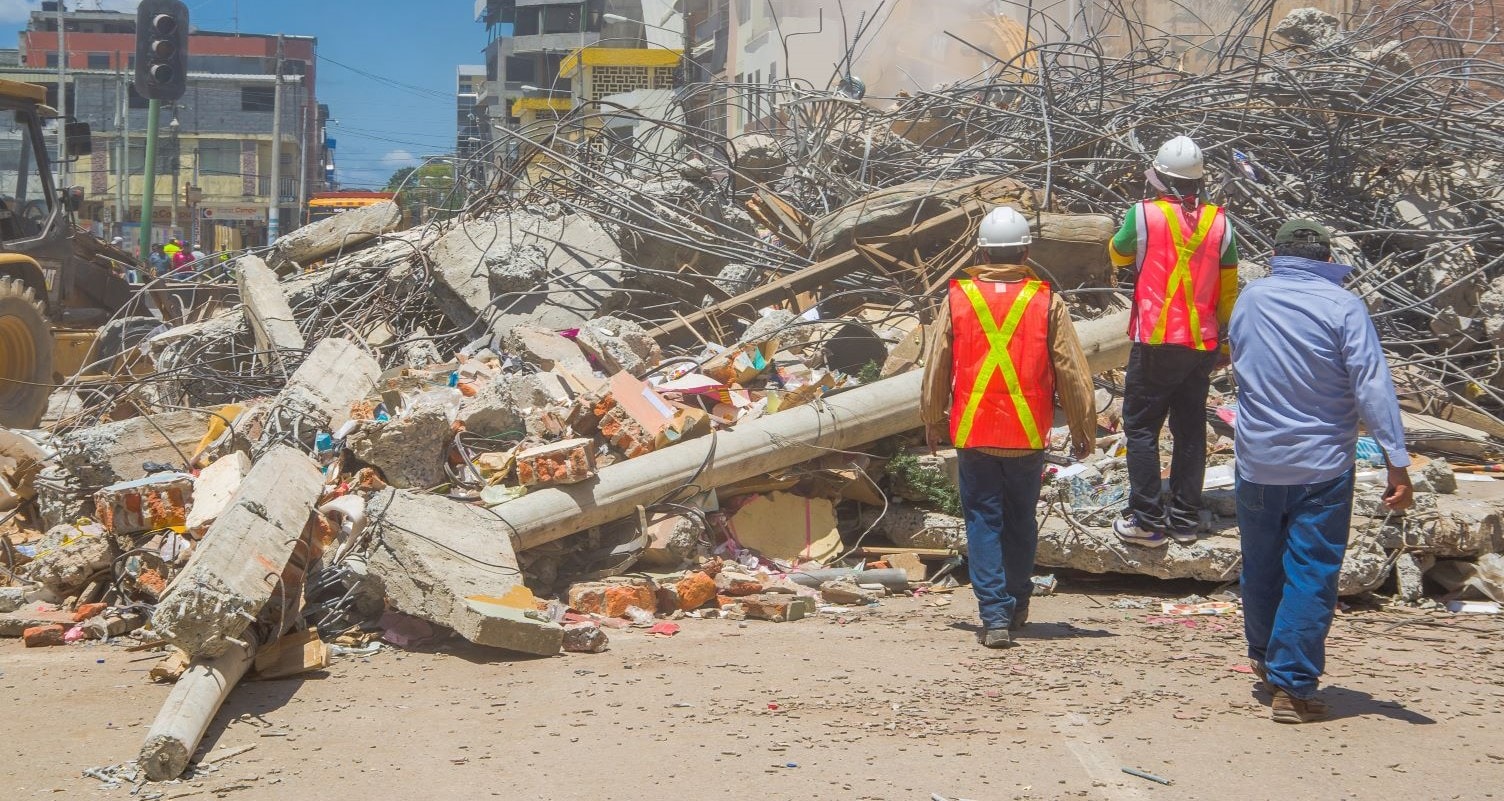
Through diverse collaborations and partnerships, we provide education and training and develop tools to support and improve environmental public health emergency preparedness and response throughout communities. Learn more about the exciting projects we are working on:
Environmental Public Health Emergency Preparedness and Response Framework
We have created a capability framework that outlines and defines the roles and responsibilities of EPH during disasters.
Additional Resources
Wildfire Response Guide
Our new Wildfire Response Guide for Environmental Public Health Professionals identifies the relevant environmental public health concerns for each of the key environmental public health areas of responsibility and maps out the corresponding immediate response and recovery objectives. Review and bookmark the guide to be prepared for the next wildfire in your community, even if you’ve never had one. Find template wildfire messages, forms, and guidance documents created and used by jurisdictions. | View the Guide
HiAP Preparedness Guide
The Health In All Policies Preparedness (HiAP) Guide provides a framework to taking a HiAP approach to public health preparedness to improve the depth and effectiveness of collaboration at all stages of response. | Learn More
Concurrent Disasters Needs Assessment Report
This report is a summary of the identified gaps and challenges faced by local environmental and public health agencies when responding to concurrent disasters and suggests resources to address these challenges. | 2022 Report
GIS and Emergency Response Fact Sheet
Geographic Information Systems (GIS) can strengthen emergency preparedness and response by turning complex data into actionable maps and visual tools. Explore how GIS can help identify risks, improve situational awareness, coordinate resources, and support informed decision-making before, during, and after emergencies.| GIS and Emergency Response Fact Sheet
Preparedness Committee
Our Preparedness Committee brings together public and private sector environmental public health and emergency management experts to develop position and policy statements, guidance and resources, and identify training gaps, best practices, and funding. | Preparedness Committee